


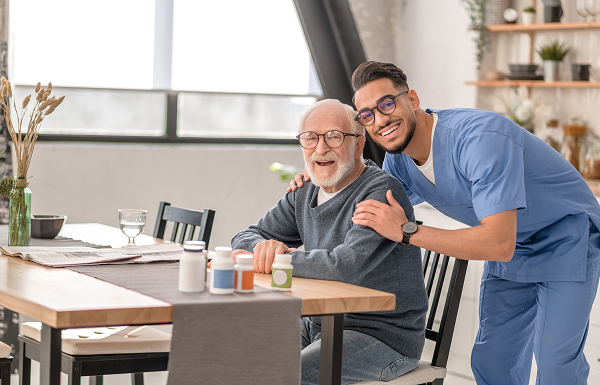
Honoring the service of veterans involves more than just gratitude; it requires providing the practical resources necessary for a dignified and comfortable life at home. The Department of Veterans Affairs (VA) offers various programs that provide significant financial and medical relief for former service members. These resources ensure that those who served can manage their health and household needs without facing overwhelming personal or financial strain. By integrating these advantages into a daily routine, veterans can maintain a higher level of comfort and safety within their own residences.
Accessing these benefits often marks a turning point for families. It moves the focus from struggling with daily chores to enjoying time spent together. For many, the physical and mental tolls of service manifest more clearly with age, making the presence of professional support a necessity rather than a luxury. Understanding the breadth of these programs is the first step toward a more stable and supported lifestyle.
- Financial Support for Daily Personal Assistance
. This program provides monthly payments in addition to a standard pension for those who require help with basic activities of daily living. Whether an individual needs help with bathing, dressing, or managing medications, these funds cover the cost of professional caregivers. In 2026, a single veteran may qualify for significant monthly support, while married veterans can receive even higher amounts to cover care for themselves or a spouse.
This financial bridge allows seniors to remain in their homes longer, avoiding the need for institutionalized care while ensuring their physical needs are met by qualified professionals. It essentially provides the means to pay for the exact level of help required, preserving the veteran’s savings and providing peace of mind to family members who may otherwise be unable to afford such services.
- Professional Homemaker and Health Aide Services
The VA Homemaker and Home Health Aide program sends trained professionals directly into the home to assist with both personal care and household management. These aides handle tasks such as grocery shopping, meal preparation, and light housekeeping, which can become difficult with age or disability. Having this support ensures that the living environment remains sanitary and that the veteran receives proper nutrition.
This program is a vital link for those who live alone or whose family members need a break from the physical demands of caregiving. By taking over the more strenuous chores, these aides allow the veteran to focus their energy on rehabilitation or social engagement. The presence of a professional aide also adds a layer of safety, as they are trained to spot potential health issues or fall risks before they lead to injury.
- Accessible Medical Care and Health Monitoring
Veterans enrolled in the health system have access to comprehensive medical services that focus on long-term wellness. This includes Home-Based Primary Care (HBPC), where doctors, nurses, and therapists visit the veteran at home, reducing the need for taxing trips to a clinic. This model is especially beneficial for those with complex medical needs who find travel difficult or painful.
Telehealth options have also expanded, allowing for routine check-ups and mental health support through secure video links. These medical programs ensure that chronic conditions like hypertension or diabetes are managed proactively, preventing health crises and promoting a stable, predictable daily life. Furthermore, veterans can receive medical equipment, such as blood pressure monitors and glucose meters, which transmit data directly to their care team, ensuring constant oversight without the stress of constant travel.
- Adaptations for Improved Home Safety and Mobility
Physical barriers in a house can lead to accidents and a loss of independence. The VA provides housing grants, such as the Specially Adapted Housing (SAH) and Special Housing Adaptation (SHA) grants, specifically for modifying a home to accommodate service-connected disabilities. These funds can be used for installing ramps, widening doorways, or updating bathrooms with safety features like roll-in showers and grab bars.
When the physical environment is safe, a veteran can move around with confidence, reducing the risk of falls and improving their overall sense of autonomy. A safe home is the foundation of a healthy lifestyle. By removing the physical obstacles that prevent a veteran from accessing different parts of their home, these grants help restore a sense of freedom and control over their own living space.
- Respite Care for Family Caregivers
Caregiving is a noble but exhausting role, and the VA recognizes the need for family members to rest and recharge. The Respite Care program pays for a professional to step in for a short period—whether for a few hours a week or several days a year. This can involve a home health aide coming to the house or the veteran spending time in a community-based adult day center.
This break is vital for preventing caregiver burnout and ensuring that the primary caregiver can attend to their own health and personal obligations. When a caregiver is well-rested, the quality of care they provide improves, creating a more positive environment for the veteran. This support system acknowledges that the well-being of the veteran is intrinsically linked to the health of their support network.
Maximizing the resources available to veterans is a priority for ensuring a high standard of living. At One By One Home Care, our team is ready to help you understand how these supports can be integrated into a comprehensive care plan. If you or a family member served in the military and needs assistance at home, contact us today to learn about your options and how to get started with professional care.
Leave a Reply